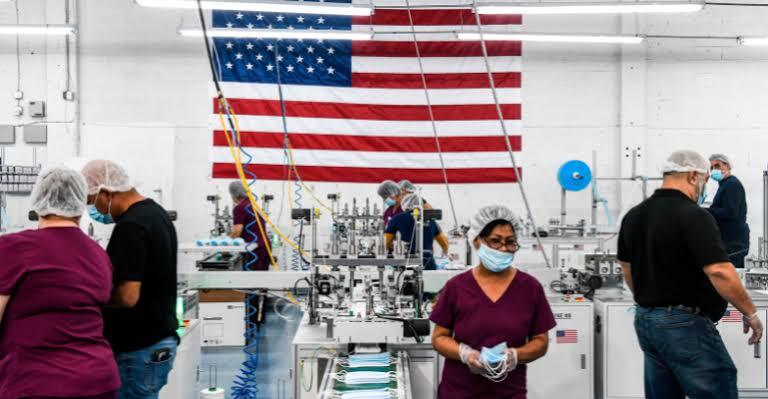
Domestic PPE manufacturing has become increasingly important in the United States as healthcare providers, industrial businesses, and emergency response teams depend on reliable access to protective equipment. Products such as medical gloves, face masks, protective gowns, and safety eyewear help workers manage exposure to workplace hazards. Producing these supplies within the country can also strengthen supply chains and support the broader manufacturing sector.
During periods of high demand, international shipping delays and global shortages can make essential equipment harder to obtain. Businesses are therefore paying closer attention to local production capacity and dependable suppliers. Access to quality glovesupply.us can help organizations prepare for changing operational needs and maintain appropriate safety practices.
How Domestic PPE Manufacturing Strengthens Supply Chains
Domestic PPE manufacturing gives American businesses another way to source essential protective products. When companies rely heavily on overseas suppliers, disruptions in transportation, international trade, or production can affect delivery schedules. Local manufacturers can provide an additional supply option and help buyers diversify their sourcing strategies.
Shorter distribution routes may also improve communication between manufacturers, distributors, and customers. Businesses can discuss product specifications, order requirements, and delivery expectations more directly. However, domestic production still depends on raw materials, manufacturing capacity, and efficient logistics, so a balanced sourcing strategy remains important.
Supporting American Jobs and Industrial Growth
PPE production can contribute to employment across several parts of the manufacturing process. Factories need workers for production, equipment maintenance, quality assurance, packaging, and distribution. These activities can support local economies while creating demand for technical skills and manufacturing expertise.
Investment in domestic facilities may also encourage improvements in automation, production efficiency, and quality management. As manufacturers develop their capabilities, they can help strengthen the industrial infrastructure needed to produce essential safety supplies. Long-term growth depends on competitive operating costs, skilled employees, and consistent demand from customers.
Quality Standards and Workplace Safety
Protective equipment must meet the requirements relevant to its intended use. Manufacturers and buyers should consider material quality, product specifications, testing information, and applicable regulatory standards when evaluating PPE. Producing equipment in the United States does not automatically guarantee that every product meets every requirement, so proper verification remains necessary.
Healthcare facilities, laboratories, and industrial workplaces may need different types of protection. For example, medical gloves must suit the intended task, while industrial PPE may need to address specific mechanical or chemical hazards. Clear product information helps employers select suitable equipment and establish safer workplace procedures.
Domestic PPE Manufacturing and Emergency Preparedness
Reliable access to protective equipment matters during public health emergencies, natural disasters, and sudden increases in workplace demand. Greater domestic production capacity can give organizations another source of essential supplies when international markets face pressure.
Businesses can support preparedness by evaluating domestic PPE supply chain planning and reviewing their inventory needs before shortages occur. Maintaining appropriate stock levels, identifying alternative suppliers, and monitoring product quality can help healthcare facilities and other organizations respond more effectively to changing demand.